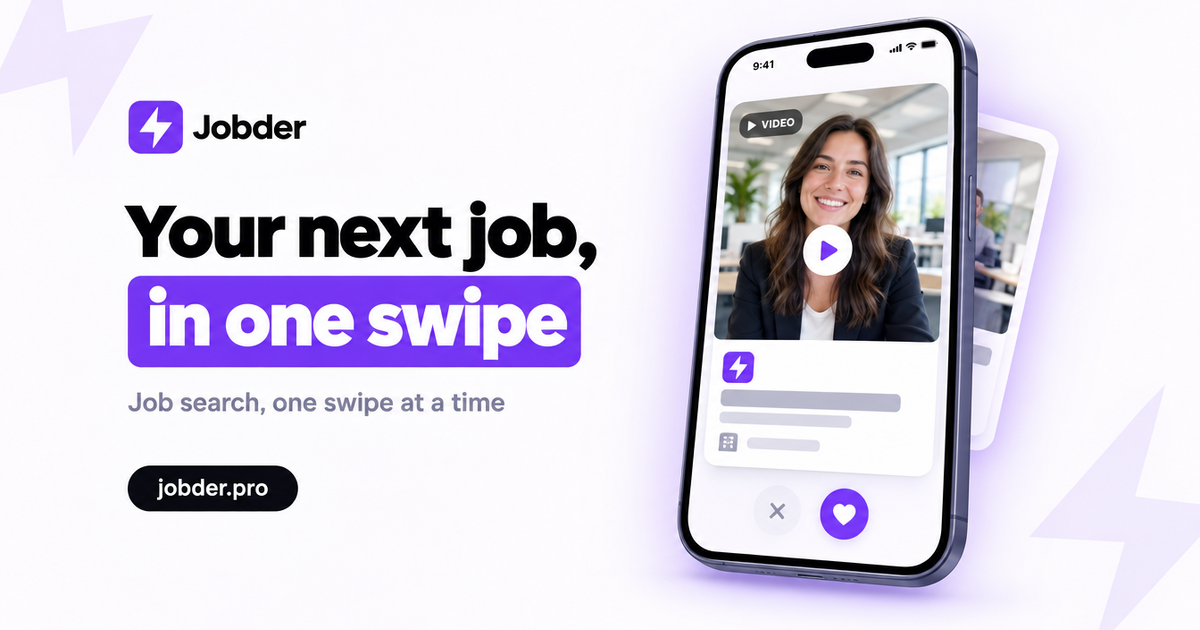
Hiring a line cook in Austin comes down to four things: clear duties, a job post cooks will actually read, an optional short look at your kitchen, and talking only when both sides say yes. On Jobder, that last step is a Mutual Match. This guide walks through each part, with a copy-paste job post template and a practical shot list for a 15-second workplace video. It's free to sign up at jobder.pro.
What a line cook does
Before you write a post, get specific about the job. "Line cook" means different things in a taco trailer, a hotel kitchen, and a chef-driven dining room. Candidates want to know which version you're hiring for.
- Station work: Running an assigned station, such as grill, sauté, fry, or garnish and cold, and knowing every dish that leaves it.
- Prep: Cutting, portioning, making sauces and components, and setting up the station before service so it's ready to go.
- Ticket pace: Reading tickets, timing dishes with the rest of the line, and keeping quality steady when the board fills up.
- Food safety and sanitation: Holding proper temperatures, labeling and dating, rotating stock first in, first out, and cleaning as you go. A food handler card is commonly expected in Texas kitchens; check current Texas and City of Austin requirements for your business.
- Teamwork: Communicating with expo, the sous chef, and the dish team, calling out what's needed, and helping a teammate who's in the weeds.
Austin notes before you post
Austin has a busy, competitive restaurant scene, and good cooks have options. A few local realities are worth building into your post.
- Be specific about the schedule: Many cooks juggle more than one job or pick up extra shifts. Say which days, which shifts, and roughly how many hours a week you can offer.
- Plan for big weekends: Festival and event weekends can bring heavy covers and long shifts. If your kitchen gets slammed on those weekends, say so up front.
- Be honest about the line: Summer kitchens get hot, and late-night service is its own kind of tired. Describe your setup truthfully. The cooks who say yes after an honest description are more likely to stay.
- Location and parking matter: For shift workers, the commute is part of the job. Mention your neighborhood, nearby transit, and whether staff parking is available.
- State your pay range: Cooks compare jobs quickly, and a clear range saves everyone time. We don't quote local wage figures here; check current public sources, such as the U.S. Bureau of Labor Statistics, and what similar kitchens near you are posting.
A line cook job post template you can copy
Swap the bracketed parts for your details. Keep it short enough to read on a phone between shifts.
- Role title: Line Cook, [Grill / Sauté / Fry], [Full-time / Part-time]
- About the kitchen: [Restaurant name] is a [cuisine / style] spot in [neighborhood], doing about [lunch and dinner / dinner only / brunch] service. Our kitchen team is [size and vibe in one line].
- What you'll do: Run the [station] during service, handle prep for your station, keep tickets moving with the line, and follow food safety and cleaning standards.
- Must-haves: [Line experience, if truly required], ability to stand for a full shift, availability for [days / nights / weekends].
- Nice-to-haves: [Experience with your cuisine], [food handler card], [a second station you can cover].
- Schedule and shifts: [Days], [shift times], about [hours] hours a week.
- Pay: $[X] to $[Y] per hour, plus [tips, shift meal, or other perks, only if true].
- Location and parking: [Address or neighborhood], [nearest bus or rail stop], [parking details].
- How to respond: Say yes to this job on Jobder. If we say yes too, it's a Mutual Match and we'll take it from there.
Tip: Keep must-haves to real requirements only. A long wish list scares off solid cooks who could learn your menu in a week.
What to show in a 15-second workplace video for this role
A short workplace video is optional and never required. If you add one, a phone video is fine. Aim for about 15 seconds and let the kitchen do the talking. Cooks want to see where they'd actually work, not a speech.
- The way in: The back entrance or staff door, so a cook knows where they'd arrive for a shift.
- The pass and the line: A slow pan across the stations and equipment, so cooks can see how the line is laid out.
- Team at work: A few seconds of the crew doing prep or service. Film only teammates who have agreed to be on camera.
- The pace: Real sound from prep or service, such as the flat-top, tickets printing, or the expo calling, instead of a scripted pitch.
- One honest detail: Something that says what working there is like, such as a clean walk-in, the staff meal, or the schedule board.
Keep it fair and safe:
- No customers' faces without consent: Shoot before opening or frame the camera away from the dining room.
- Protect what's private: Don't show recipes, documents, or anything you don't want public.
- Add captions: Many people watch with the sound off, so a line of text helps.
- Retake if needed: If something in the frame bothers you, shoot it again. Fifteen seconds is easy to redo.
For more ideas, see which jobs benefit most from a video job post.
How Mutual Match works for this role
Here's what hiring a line cook on Jobder looks like.
- You post the job: Add your line cook post and, if you like, an optional short workplace video of your kitchen.
- Cooks swipe: Job seekers see jobs one at a time. If you added a video, they can see your kitchen before they decide.
- You swipe too: You look at people one at a time and say yes to the cooks who fit.
- Both say yes: When both sides say yes, it's a Mutual Match, and you can take it from there. Some kitchens follow up with a paid working interview or stage; that part is your call.
Jobder doesn't rank cooks with AI, and nobody gets buried by a score. Every match starts with two people choosing each other.
Why keyword resumes miss good cooks
Some of the best line cooks never wrote a polished resume. They learned on the line, moved up from dish or prep, and can run a station on a packed night without breaking a sweat. That kind of experience rarely shows up well in a keyword filter.
When hiring depends on matching the right words, a cook who wrote "worked grill" instead of "grill station operations" can get skipped. Swiping one person at a time, with an optional workplace video on your side, lets both sides look at the real thing: the kitchen, the job, and the person. Learn more in swipe hiring vs. job boards.
FAQ
Do I need a video to post a line cook job?
No. The workplace video is optional. A clear written post works on its own, and you can add a video later if you want to.
Should I list pay in the post?
We recommend it. A clear pay range helps cooks decide quickly and cuts down on mismatched conversations.
Does Jobder rank cooks with AI?
No. Jobder doesn't rank people with AI. You see people one at a time, and a Mutual Match happens only when both sides say yes.
Is Jobder free?
Free to sign up. Employers start with a free trial, then choose a paid plan.
Is Jobder the same as Jobber?
No. Jobder (jobder.pro) is swipe-style job matching. Jobber is an unrelated company that makes field-service software. Read more in Jobder vs. Jobber, or email support@jobder.pro.
Get started
Ready to find a line cook who wants to work in your kitchen? Write a clear post, add an optional 15-second workplace video if you like, and match only when both sides say yes. Sign up free on Jobder.